

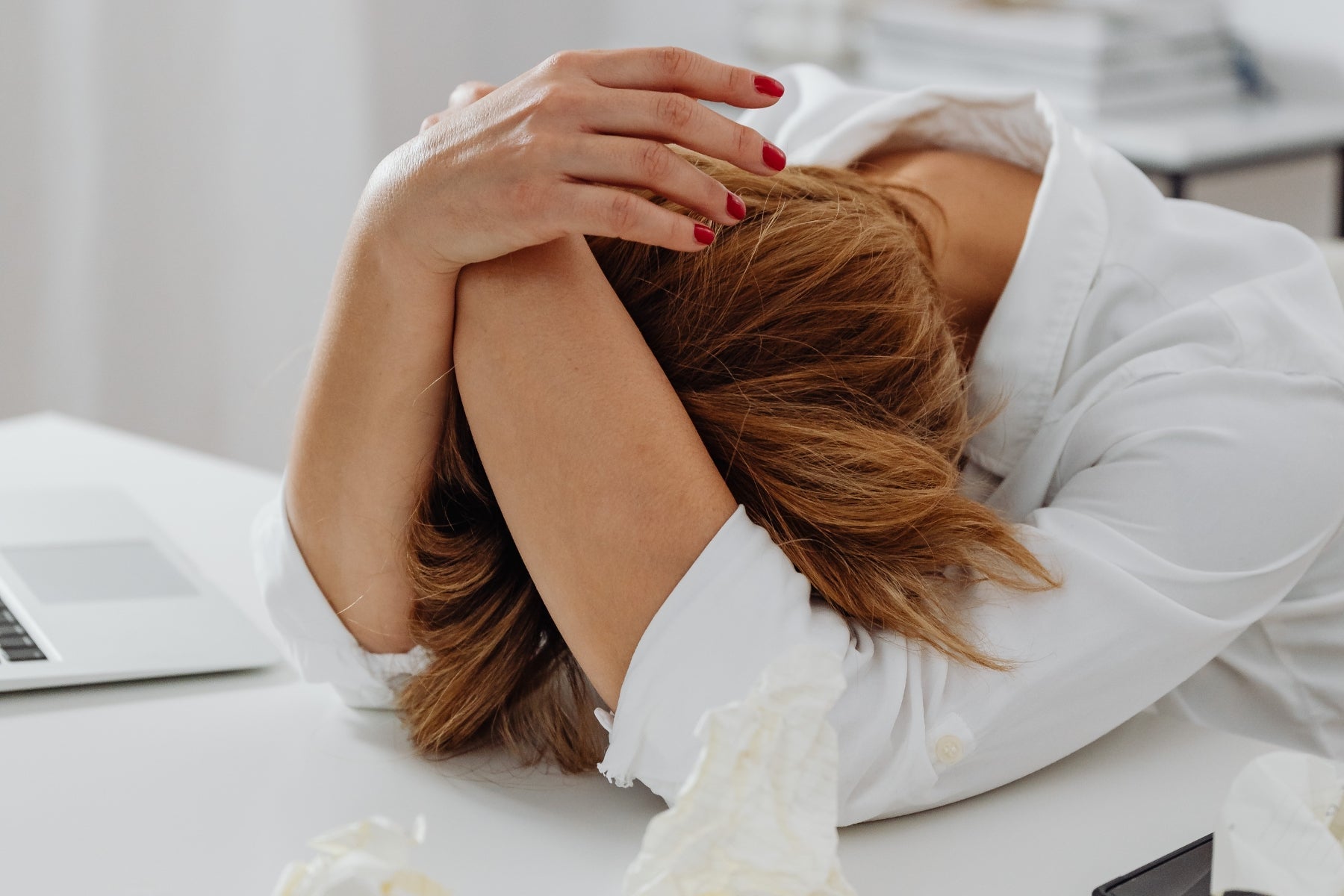
Stress, fasting, and exercise: why your hair is saying “enough”
It's becoming increasingly common to see young women with demanding jobs, little sleep..., and also, prolonged fasting "because it's healthy" and intense sports sessions to "unwind."
A few months later, noticeable hair loss begins. The blood test "is fine," fasting "is healthy," exercise "is good"..., yet hair is falling out, and self-esteem is suffering.
It's no coincidence.
What your body understands (even if you haven't explained it)
From the outside, it looks like a "normal" life. From the inside, the body is receiving this message:
- Constant mental and emotional stress.
- Few hours of sleep or poor quality rest.
- Many hours without eating (prolonged fasting).
- Intense workouts in an already tired body.
All of this is interpreted by the body as accumulated stress. And when the body has to prioritize, it allocates energy to vital organs (heart, brain, muscles...) and puts what is not essential for survival in the background: skin, nails..., and hair.
The typical result is telogen effluvium several months after this period of increased stress and habit changes; hair enters the resting phase earlier and falls out more intensely and diffusely.

It recovers, yes... but in the meantime, it shows
The good news is that, in most of these cases, it is reversible hair loss, and with time and a good approach, the hair grows back.
The bad news is that:
- The hair loss usually lasts weeks or months.
- You notice less density, more hair in the shower, on the pillow, in the brush.
And this directly impacts self-esteem: insecurity appears, the feeling that "I don't look the same," hair no longer frames the face as much, you want to wear more makeup to compensate, and often you resort to updos because long hair looks thinner.
This is where many women enter a vicious cycle:
- I look worse: I get more anxious.
- I get more anxious: I sleep worse, eat worse, push myself harder with exercise or diet.
- More stress: more "alarm" messages for the hair.
And so, without realizing it, they remain in "alert" mode for months, which doesn't help either the body or the hair.
The problem is not fasting or exercise... it's the context
Intermittent fasting and physical exercise can be very useful tools for certain people and at certain times.
The problem is when and how they are used:
It's not the same to do a gentle fast (for example, 12 hours overnight) for a well-rested and well-nourished person as it is to chain together 16-18 hour fasts for a woman with:
- A lot of work and family stress.
- Insufficient sleep.
- Eating just anything at noon "because there's no time."
- Training hard several times a week "to release tension."
Common sense is key here: if the body is already just making it, adding more demands without adjusting anything else comes at a cost. And hair is one of the first things to show it.
Mindful self-care: let your hair count too
If you recognize yourself in this profile, these messages are important:
Not everything "healthy" is healthy at every moment of your life.
Fasting, high-intensity exercise, strict diets... may not be a good idea during periods of maximum stress, little sleep, and feeling like you're "running on fumes" every day.
Your hair is a thermometer of your internal balance.
Noticeable hair loss after months of stress, weight changes, or aggressive fasting is a signal that deserves attention, not resignation.
Review your habits before pressing the accelerator harder:
- Do you sleep reasonably well?
- Do you eat enough and good quality food, especially protein and micronutrients?
- Is your training adapted to your current life stage, or is it another source of pressure?
And when you think you can't cope alone, ask for help before despairing.
A dermatologist/trichologist can assess the type of hair loss, and a good nutrition professional can adjust your diet (and, if applicable, fasting) to your reality, not a fad.
What to do if you're already noticing your hair failing
During periods of increased hair loss, in addition to reviewing stress, rest, and diet, incorporating specific hair reinforcement for a few months can help.
Our new hair supplement Hair Boost is designed to provide the nutrients that the follicle needs during these periods of higher demand. They do not replace foundational work (sleep, stress management, good nutrition), but they can be a good ally while the hair recovers.
Self-care is not a test of endurance
Taking care of your health should not mean living tired, hungry, and worried about losing your hair.
If your daily life is already a marathon between work and responsibilities, perhaps your body doesn't need more strength tests, but more support, more rest, and more kindness.
Sooner or later, your hair reflects how you are on the inside. Listening to it in time can save you a lot of scares..., and a lot of tangles with your self-esteem.

Each article is backed by the expertise of our founder and CEO Dr. Modesta Cassinello, Doctor of Pharmacy and Diploma in Nutrition, committed to excellence in skin and hair care.
Leave a comment
This site is protected by hCaptcha and the hCaptcha Privacy Policy and Terms of Service apply.