

Curly hair: hydration, balance and definition from the roots
Curly hair is often perceived as "dry," not because the scalp produces less sebum, but because the curl pattern makes it difficult for that natural lubrication to spread from root to tip. The result is a more exposed fiber: more vulnerable mid-lengths and ends, more frizz, and less stable definition.
Furthermore, it is common to use leave-ins, creams, oils, and styling products on curly hair. When well-formulated and properly dosed, they are great allies. But when layered without proper cleansing, they can cause build-up, leaving curls heavier, duller, and with less movement, even if the lengths still feel dry.
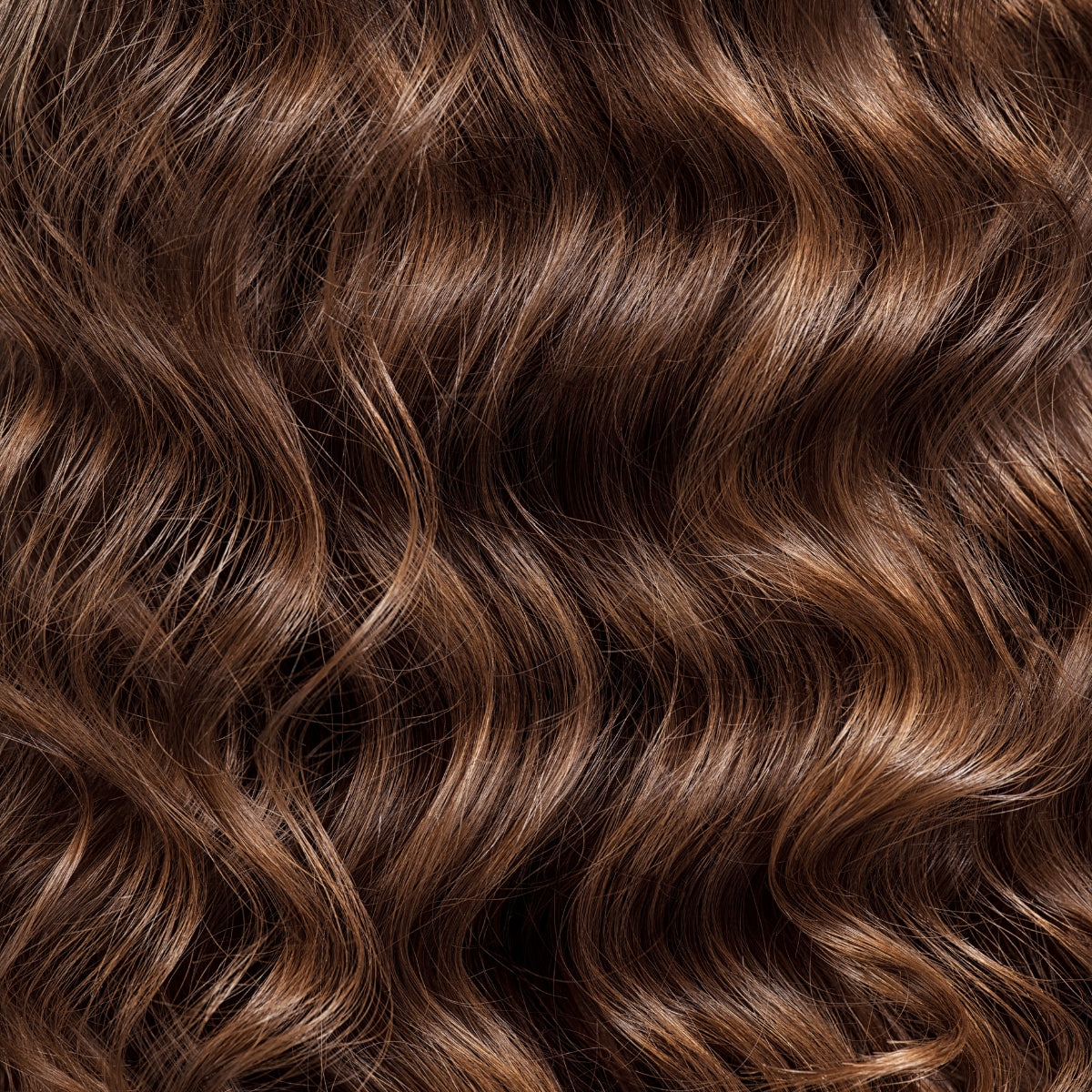
Your Problems
- Dryness and frizz due to lack of water + lipids in the fiber.
- More open cuticle/porosity: hair easily loses moisture and becomes more sensitive to the environment.
- Curls with poor definition, dull or "shapeless", especially when there is a lack of hydration or product buildup.
- Fragility: tendency to breakage due to friction, dry detangling, or excessive heat.
- In some cases: heavy roots due to styling product buildup, even if the ends remain dry.
What do you need?
- Respectful yet effective cleansing (scalp-first): the goal is a comfortable scalp and light curls. For curly hair, occasional deeper cleansing can be key to removing build-up without drying, as long as the formula and technique are appropriate.
- Deep hydration to improve elasticity and reduce frizz.
- Well-dosed lipid nutrition to seal, soften, and provide "slip."
- Definition without stiffness: products that improve shape and bounce, without weighing down.
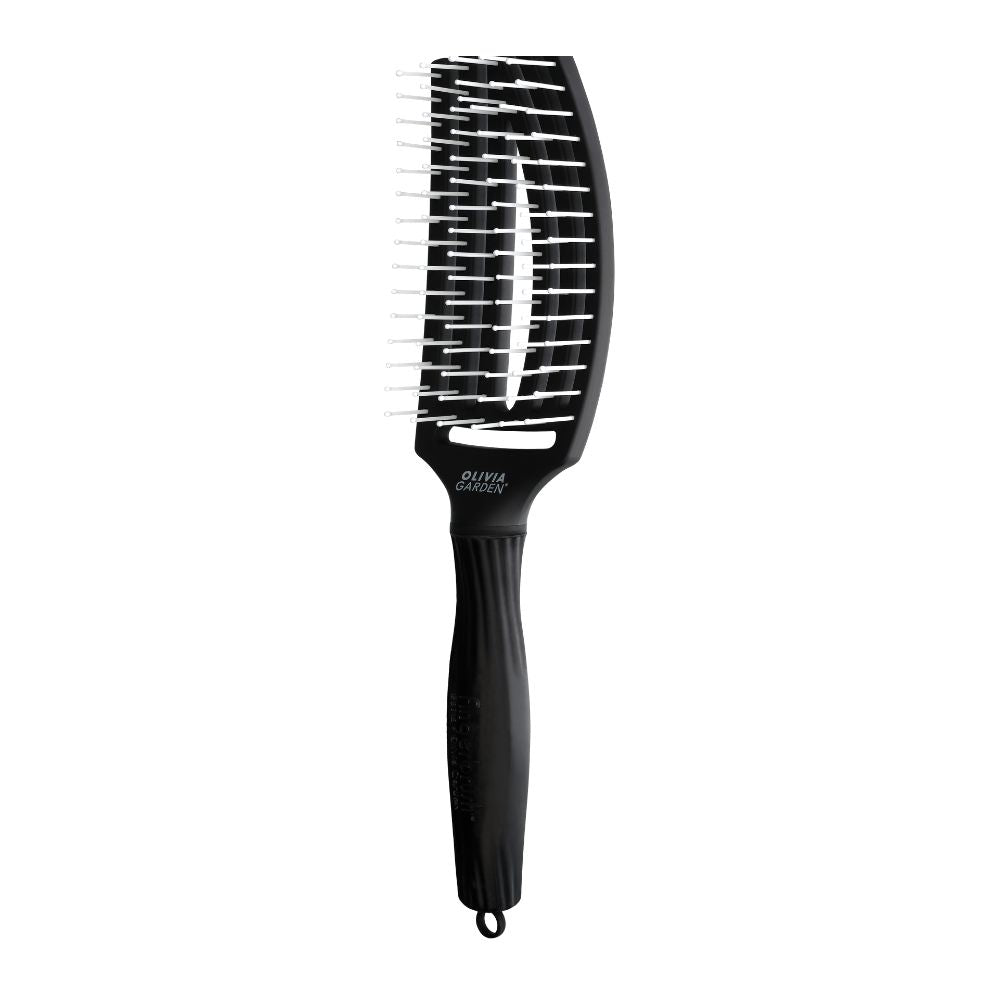
- Careful styling: detangle wet hair with the help of conditioner/mask, and tools that minimize friction.
Modesta Cassinello recommended routine for curly hair
Definition, elasticity, and frizz control depend on two invisible pillars: deep hydration and scalp balance. When both are respected, curls are transformed.

How to wash curly hair correctly
Cleansing curly hair should not be an aggressive or insufficient act. The goal is to preserve hydration, lightness, and definition.
Water temperature
Excessively hot water can:
- Promote fiber dehydration.
- Increase frizz.
- Alter scalp comfort.
Recommendation: wash with lukewarm water. A final rinse with slightly cooler water helps improve shine and elasticity.
Washing frequency
Washing your hair too infrequently often leads to:
- Styling product buildup.
- Curls lacking definition and movement.
- A heavy hair feeling at the roots.
Curly hair does not need less cleansing, but rather appropriate and gentle formulas.
Pay attention to build-up (very common in curly hair)
Leave-ins, creams, oils, and styling products are curl allies, but their accumulation can:
- Reduce volume and shape.
- Increase dullness.
- Hinder genuine hair hydration.
An occasional deeper cleanse, with well-formulated products, helps restore lightness and definition without drying out the hair.
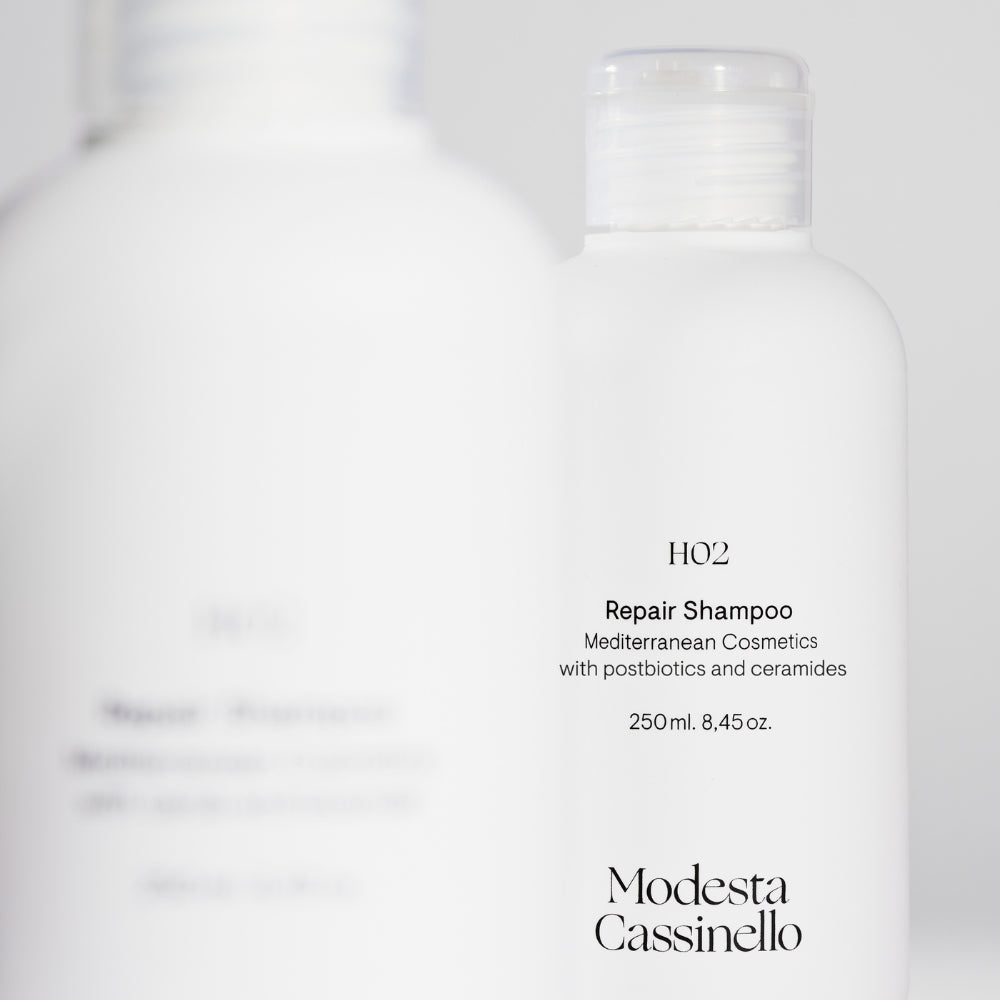
Washing technique
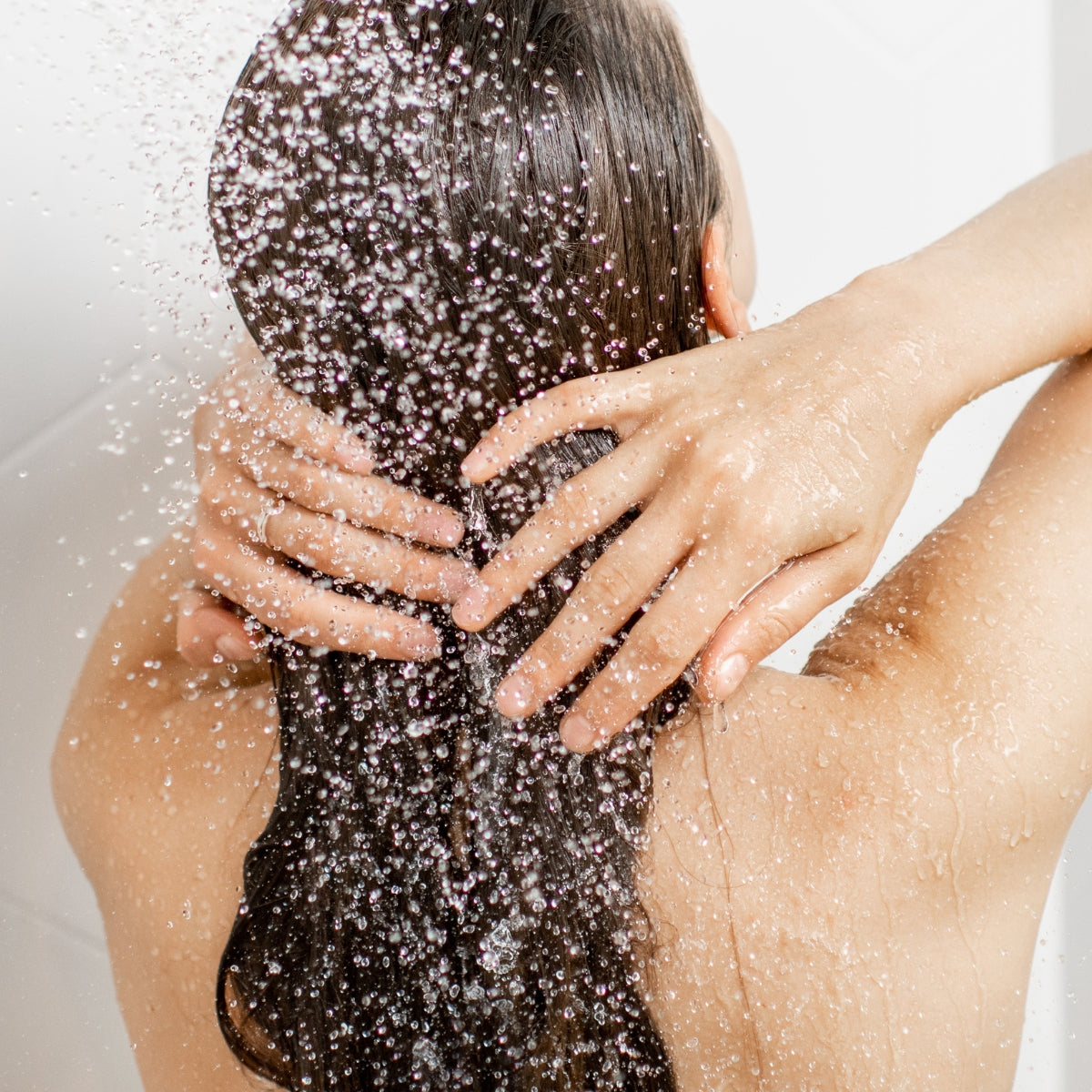
- Concentrate shampoo on the scalp, not on the lengths.
- Massage gently, avoiding intense friction.
- Rinse thoroughly.
The lengths are sufficiently cleaned during rinsing.
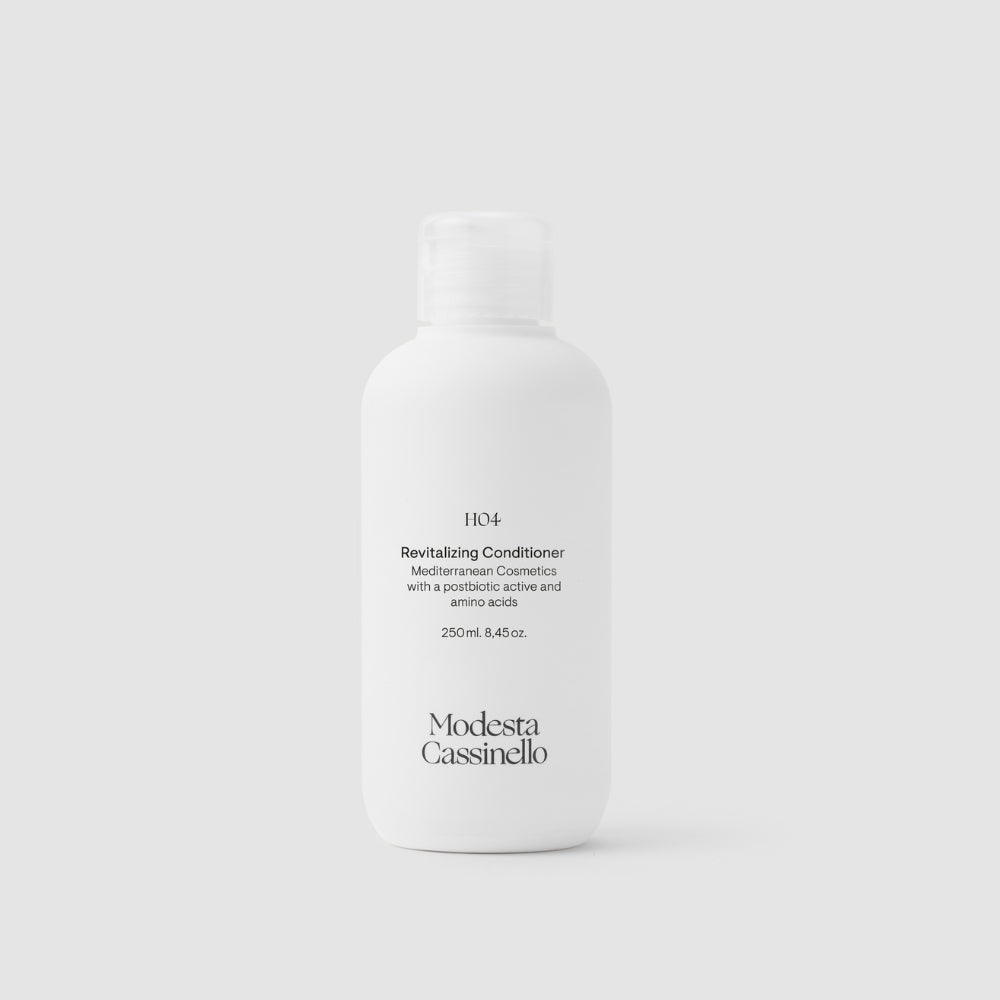
After cleaning
Curly hair requires immediate compensation:
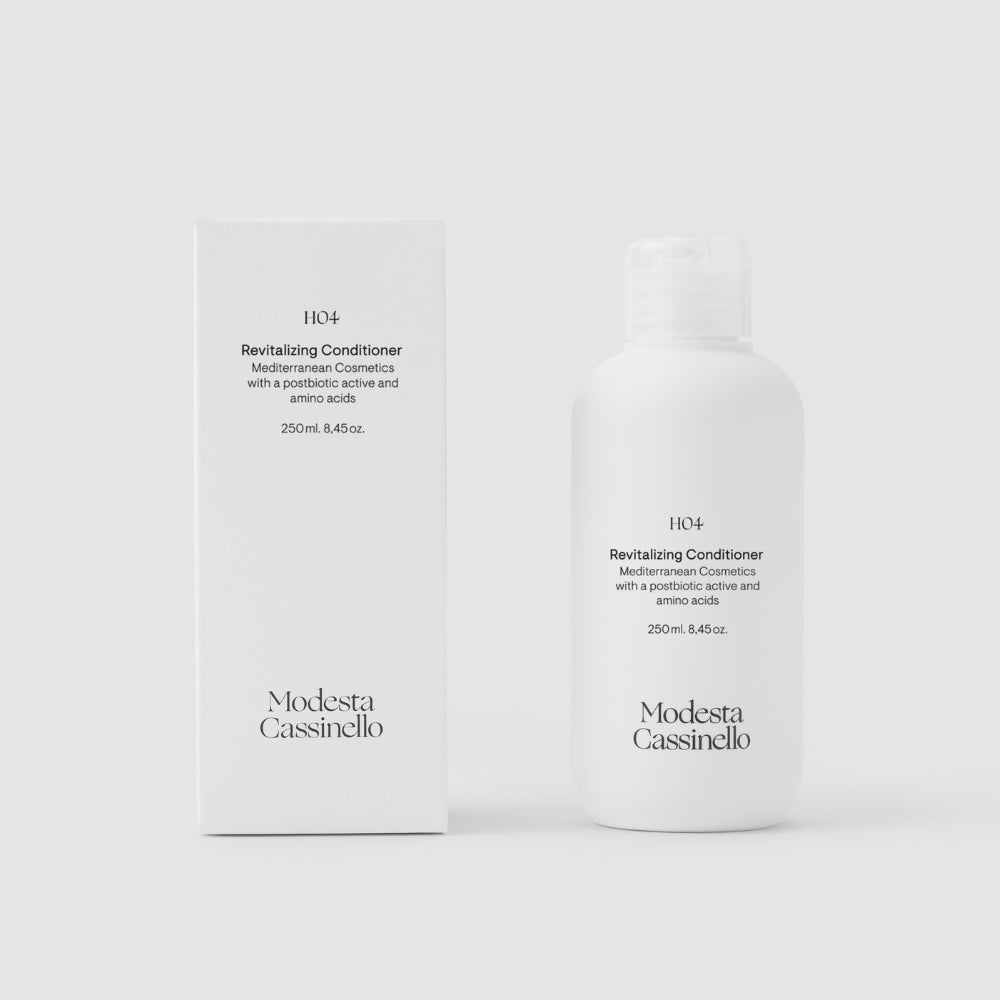
- Conditioner or mask.
- Always detangle when wet.
★★★★★
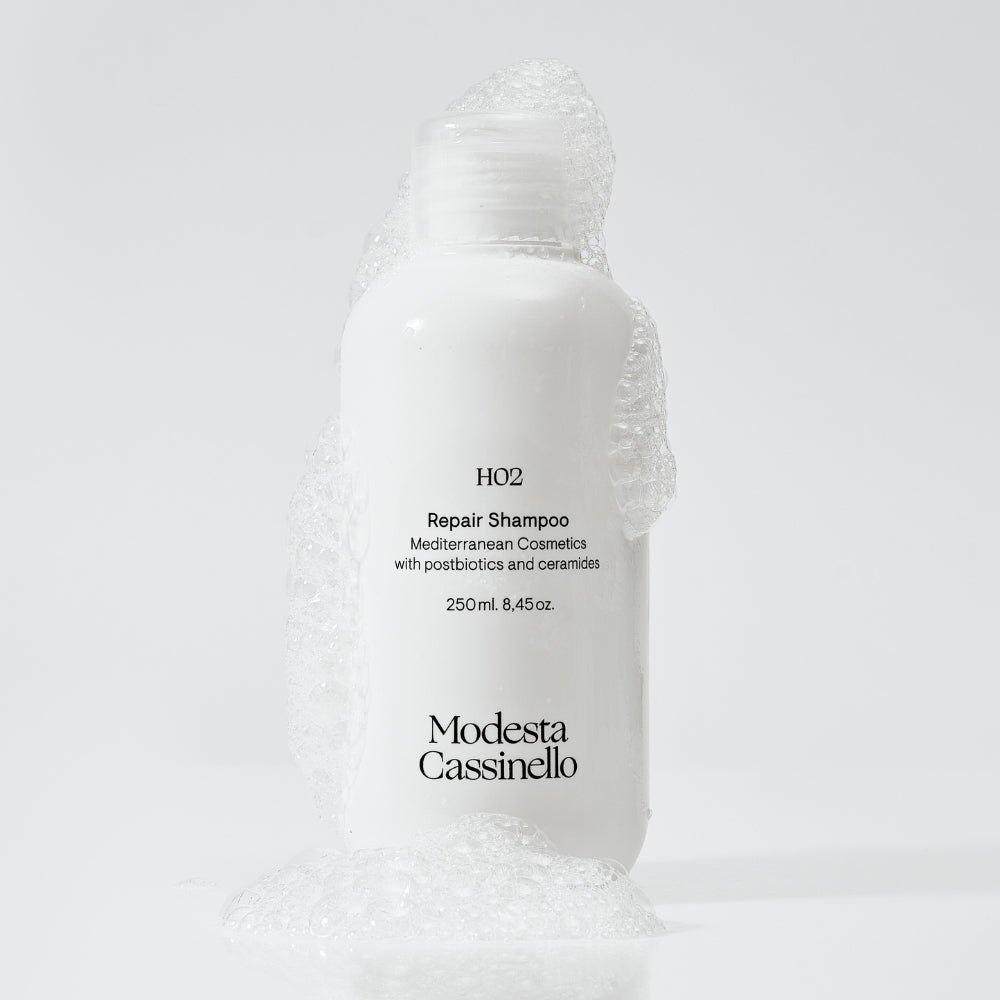
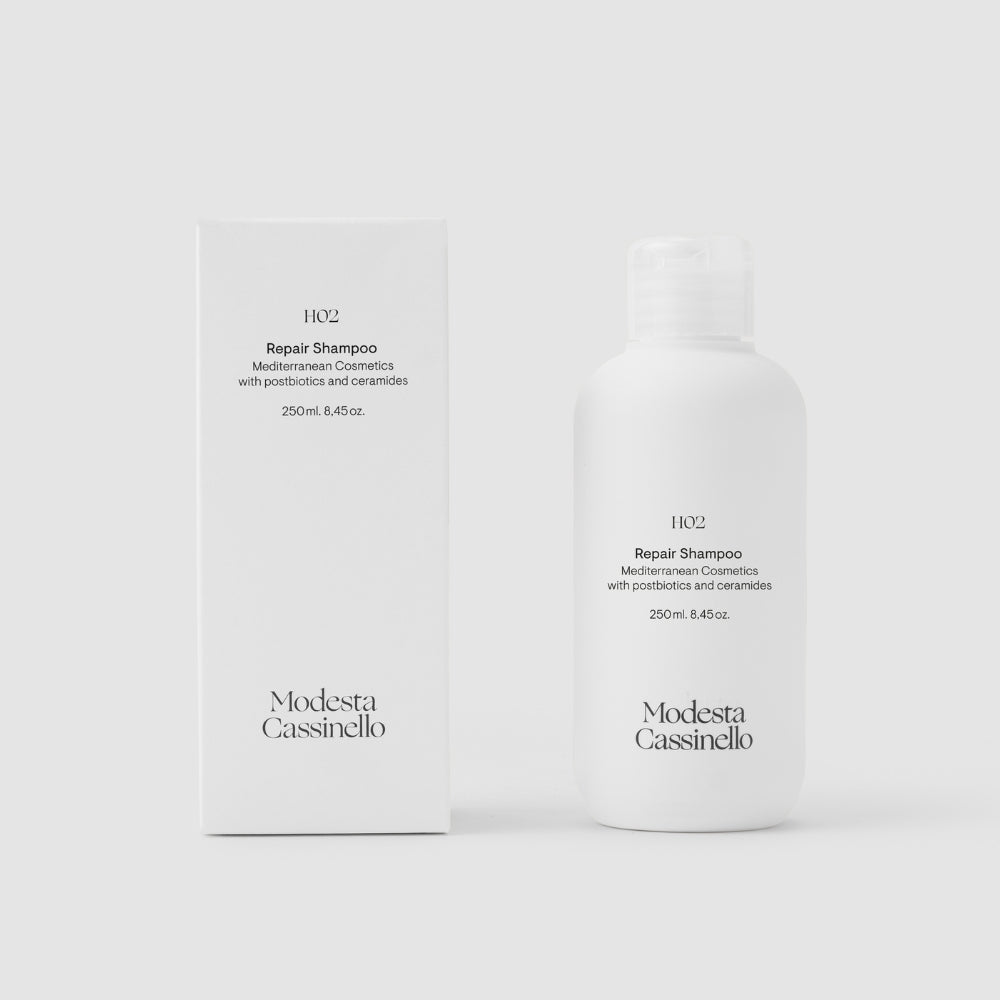
H02 Repair shampoo: "It deeply cleanses my curls without weighing them down, leaving them bouncy and voluminous, and keeps frizz at bay."
CRISTINA
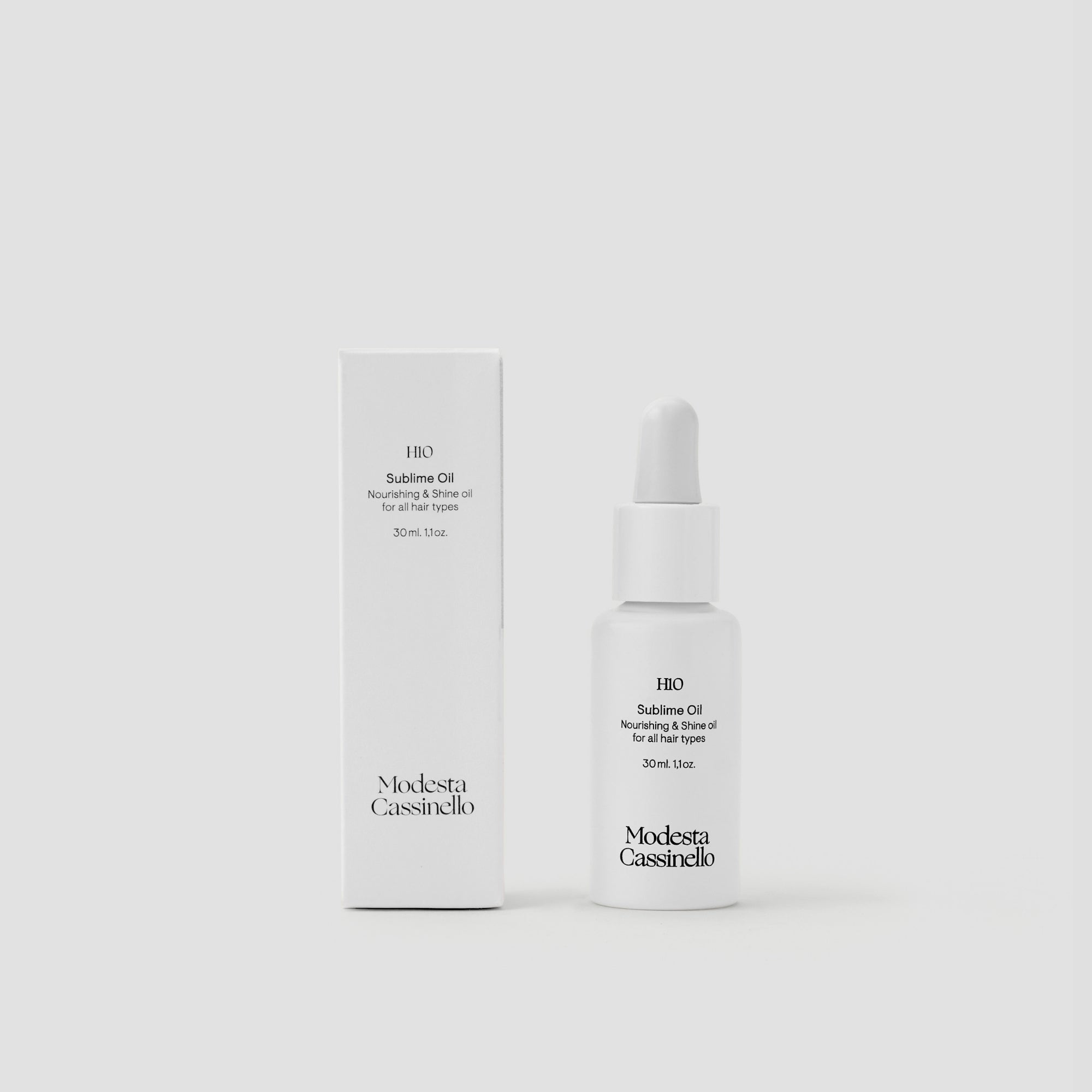
H10 Sublime Oil: "With just 2-3 drops, it leaves your hair soft and shiny, and for me, with curly hair, it eliminates frizz and defines my curls well"
JAIONE
H08 Conditioning spray: "In general, I've loved everything I've used from this brand. Highly recommended. This particular product is great for those of us with curly hair. It revives curls, leaving them soft and bouncy."
ANA
Benefits you can feel
Make the ritual that truly suits your hair type your own, with premium formulas, professional efficacy, and visible results. When you buy 3 or more products, you get a 20% discount.