

Scalp care during chemotherapy: a gentle routine and how H05 Solid Shampoo can help
During chemotherapy, the scalp can change in surprising ways: what was once an automatic routine (washing your hair, drying it, combing it...) sometimes becomes an uncomfortable moment due to tightness, itching, stinging, or sensitivity to touch. And when that happens, it's normal to wonder what to do: should I wash less? What shampoo is best? Is there anything that can relieve it without complicating things further?
The good news is that, without the need for long routines or "miracle" products, it often helps a lot to go back to basics: gentle cleansing, minimal friction, and well-tolerated formulas. In this article, you will find a practical and clear guide to caring for your scalp during treatment: what changes are common, how to adapt washing, and what characteristics a shampoo should have to accompany you in this stage. And, of course, we explain how H05 Solid Shampoo fits into this respectful care approach, with total transparency about its composition and for whom it can be a good option.
This content is informative and does not replace the advice of your oncologist or dermatologist. If your scalp shows intense irritation, pain, oozing, or rapid worsening, always consult your medical team.
Why does the scalp change during chemotherapy?
During treatment, it is common to notice that the skin (including the scalp) becomes more dry, reactive, or fragile. In oncological dermocosmetics, the focus is on maintaining the barrier function with basic routines: gentle cleansing and hydration, avoiding avoidable aggressions (heat, friction, irritants...).
In addition, some drugs or metabolites can be eliminated through bodily fluids and also through sweat for a period that is often around 48 hours (sometimes more, depending on the drug and the person).
This can affect daily comfort, for example, when there is sweating, a "sticky" skin sensation or increased irritability, and also practical hygiene decisions, especially if you use wigs or turbans, as they increase heat and humidity.
Furthermore, sweat can raise the pH of the scalp (due to components like urea, among other factors), which can promote a stinging sensation on already sensitized skin.
What to look for in a shampoo if you are undergoing chemotherapy
What usually works best:
- Gentle and effective cleansing: well-tolerated surfactants that rinse easily.
- Good feeling after washing (no tightness).
- Emulsifies well, creating a creamy lather that glides and minimizes friction.
- Simple, well-thought-out formulas that rinse off easily.
- If your scalp is very reactive: consider fragrance-free (depending on individual tolerance).
What usually worsens sensitivity:
- Very hot water and long washes.
- Rubbing hard or intense massages.
- Formulas that do not rinse well and leave residues that can irritate.
- High concentration perfumes if you are sensitive to fragrances.
Recommended washing routine (step by step)
1. Temperature
Lukewarm water. Avoid extremes.
2. Application (key for sensitive scalp)
- Wet with lukewarm water.
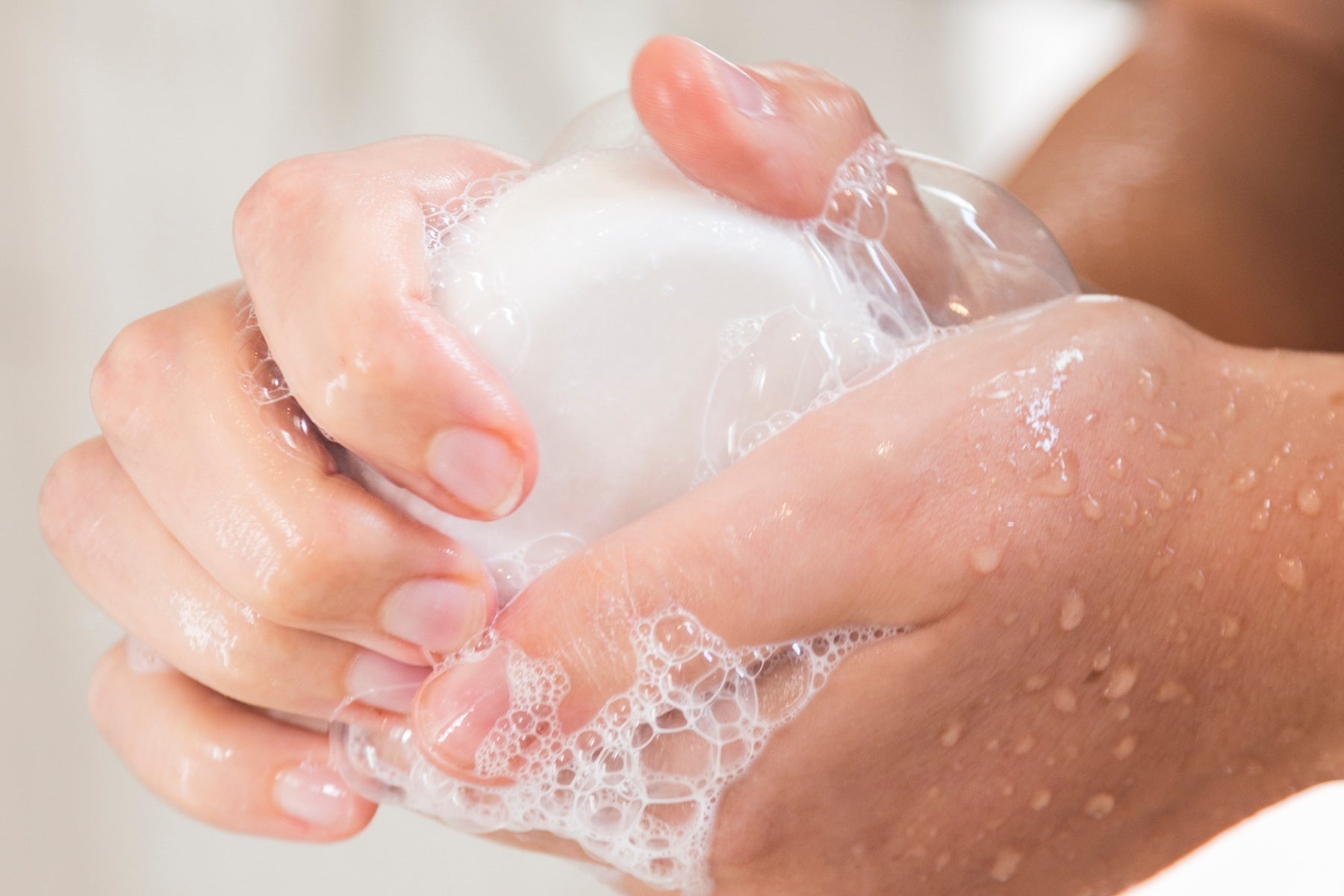
- Emulsify and lather the foam on your hands (better than rubbing the bar directly if there is sensitivity).
- Apply the foam to the roots. Make well-directed movements with your fingertips, without pressure.
- Short and gentle massage (20–30 seconds).
- Rinse thoroughly.

3. Drying
- Dry with a soft towel, patting gently.
- Hairdryer: warm or cool air, at a distance.
Washing frequency
There is no single rule. Wash your scalp as often as you need to feel comfortable (due to sweat, wig use, or feeling of dirtiness), always using a very gentle technique.
If dryness appears, the solution does not necessarily have to be "wash less"; often, maintaining hygiene and compensating with (well-chosen) hydration works better.
If you have hair
- You can add conditioner to improve comfort and reduce friction.
- If you use a scalp-designed conditioner (like H04), use it sparingly, observe tolerance, and rinse very well.
If you have no hair
- If the scalp is dry or itchy, a gentle moisturizer often helps. Macmillan Cancer Support suggests a gentle, fragrance-free moisturizer if the scalp becomes dry, flaky, or itchy.
- Do not apply cosmetics to broken skin; if there is intense irritation or lesions, consult a doctor.
Note: some specific treatments may require different indications. If your medical team has given you specific guidelines, always follow those recommendations.
How H05 Solid Shampoo can help you
H05 Solid Shampoo is a solid hair cleanser formulated with a high-tolerance syndet base, designed for effective and respectful cleansing of the scalp and hair. Its formula is based on:
1. Gentle cleansing base: Sodium Cocoyl Isethionate
Sodium Cocoyl Isethionate (SCI) is a common surfactant in syndet-type solid shampoos due to its milder cleansing profile compared to classic sulfates. This is relevant when you are looking for hygiene with good tolerance. It cleans deeply with extreme delicacy and an excellent dermatological profile that respects both the scalp and hair. It creates a rich, creamy, and abundant lather that rinses easily.
2. Comfort and hydration after washing
Including in its formula:
- Glycerin: a reference humectant to help reduce the feeling of tightness.
- Saccharide Isomerate: an ingredient aimed at supporting superficial hydration and comfort.
- Aloe Barbadensis Extract: cosmetic soothing support for skin that feels reactive.
-
Revitalizing coconut oil: an excellent ally in high-quality hair treatments.
3. Concise and well-structured formula for practical use
H05 Solid Shampoo combines few functional blocks in its formula:
- Cleansing (SCI).
- Comfort/hydration (glycerin + saccharide isomerate + aloe).
- Structure/emollience (coconut oil, stearic acid).
- pH adjustment (citric acid/citrate).
- Preservation (potassium sorbate/sodium benzoate).
This promotes a simple routine and proper rinsing, which is key when the scalp is sensitive.
4. Key transparency: contains fragrance (Parfum)
H05 Solid Shampoo includes perfume. What does this mean in practice? Many people tolerate it without problems, but if your scalp is extremely reactive or you have a history of allergy/sensitivity to fragrances, it may be preferable to opt for fragrance-free options or use H05 Solid Shampoo with special caution.
Sensible recommendation: perform a tolerance test (first on a small area or with a short wash), and if persistent stinging, worsening itching, or redness appears, discontinue use and consult. This transparency improves trust and avoids promises that do not correspond to a cosmetic.
Delicate and comforting shampoo
When I was undergoing chemotherapy, I started using this solid shampoo as it was very gentle and respected my scalp. From the first moment, I felt relief; I didn't have itching or a feeling of dryness. After finishing the treatment, I have continued to use it, and my hair is healthy.
Yolanda 01/21/2026 ★★★★★
Quick tips if you wear a wig, sweat, or have sensitivity to touch
With a wig, the scalp tends to heat up: keeping it clean and dry improves comfort. Daily washing is recommended if a wig is used, unless the medical professional in charge advises against it.
Reduce friction: avoid intense brushing and rough towels. Avoid prolonged direct heat, such as from a hairdryer.
When to consult the medical team:
Consult if:
- Intense pain or rapid worsening appears.
- Wounds, wet scabs, oozing, or bad odor.
- Pustules/folliculitis.
- Fever or general malaise.
Frequently Asked Questions (FAQ)
What shampoo is best for chemotherapy?
Generally, one that is gently cleansing, rinses well, allows for low-friction use, and doesn't leave a feeling of tightness. If you are very sensitive, consider fragrance-free options.
Can I use solid shampoo during chemotherapy?
Yes, as long as you tolerate it. The key is to lather it in your hands and avoid rubbing the bar directly on the scalp; this facilitates good rinsing and prevents irritation.
Can the shampoo's fragrance irritate the scalp during chemotherapy?
For some people, yes, especially when the scalp is very sensitive or there is a tendency to react to fragrances. If you notice stinging, worsening itching, or persistent redness, discontinue use and consult a doctor. If you prefer to avoid fragrance, an alternative is H03 Shine and Vitality Shampoo, formulated without perfume or essential oils.
How often should I wash my scalp?
There is no single rule. Adjust to comfort, sweat, and wig/cap use. The priority is how: gentleness, lukewarm water, and friction-free drying.

Each article is supported by the expertise of our founder and CEO Dr. Modesta Cassinello, Doctor of Pharmacy and Diploma in Nutrition, committed to excellence in skin and hair care.
Leave a comment
This site is protected by hCaptcha and the hCaptcha Privacy Policy and Terms of Service apply.