

Healthy scalp: The origin of strong, shiny and long-lasting hair
Why is scalp care essential
for beautiful hair?
Healthy hair starts with a balanced scalp. Although it usually stays
out of sight, the scalp is a living, complex tissue that plays a
fundamental role in hair health. It often gets little attention until
signs such as excess oil, dandruff, itching or hair loss appear.
Beneath its surface lies an ecosystem made up of more than 100,000
hair follicles, blood vessels, sebaceous glands, immune cells and an
active microbial community. This environment directly influences how your
hair grows: its density, texture, shine and strength.
Current research in dermatology and trichology confirms that the health of the scalp
determines the quality of the hair.
What does the scalp need to support
hair growth?
A healthy follicular environment depends on several key factors:
A balanced microbiome
The scalp is home to up to 25% of the skin's total microbiota. A
diverse, balanced microbiota:
- Strengthens the epidermal barrier.
- Modulates inflammation.
- Supports cell renewal.
Regulated sebum production
Sebum is necessary, but in excess it can clog hair follicles and disrupt the
skin flora, encouraging dandruff or dermatitis.
Acidic pH (between 4.5 and 5.5)
This range supports microbiome balance, the integrity of the stratum corneum and
protection against external agents.
No inflammation
Inflammation, even at low, persistent levels, can disrupt the hair
growth cycle and accelerate hair loss.
Factors such as stress, pollution, harsh cosmetics or
hormonal imbalances can alter this environment and cause visible signs of
imbalance.

How can you tell if your scalp is out of balance?
Paying attention to the signals your scalp sends is key to preventing
bigger imbalances. Some common signs are:
- Excess oil or a heavy feeling.
- Visible flaking or dandruff.
- Itching, stinging or irritation.
- A tight or dry feeling.
- Redness.
- Pain or discomfort when touched or massaged.
- Changes in the hair: finer, duller, brittle or shedding.
These signs point to a disrupted ecosystem that may foreshadow changes
in the hair cycle or conditions such as seborrhoeic dermatitis.
What does a healthy scalp look like?
A healthy scalp is characterized by:
- Balanced sebum production.
- No discomfort such as itching or stinging.
- A functional, stable microbiota.
- Good blood circulation.
- Optimal conditions for shiny, dense, strong hair.
A professional scalp care routine
Every scalp has different needs, but an effective routine should include:
Cleansing suited to your scalp type
- More frequent washing for oily scalps.
- Less frequent washing for dry or sensitive scalps.
Our recommended product? H03 Shine and Vitality Shampoo. Gentle cleansing for frequent use. It protects the balance of the scalp and adds shine to the hair.

Weekly deep cleanse
Recommended if you use styling products regularly or tend towards
sebum build-up.
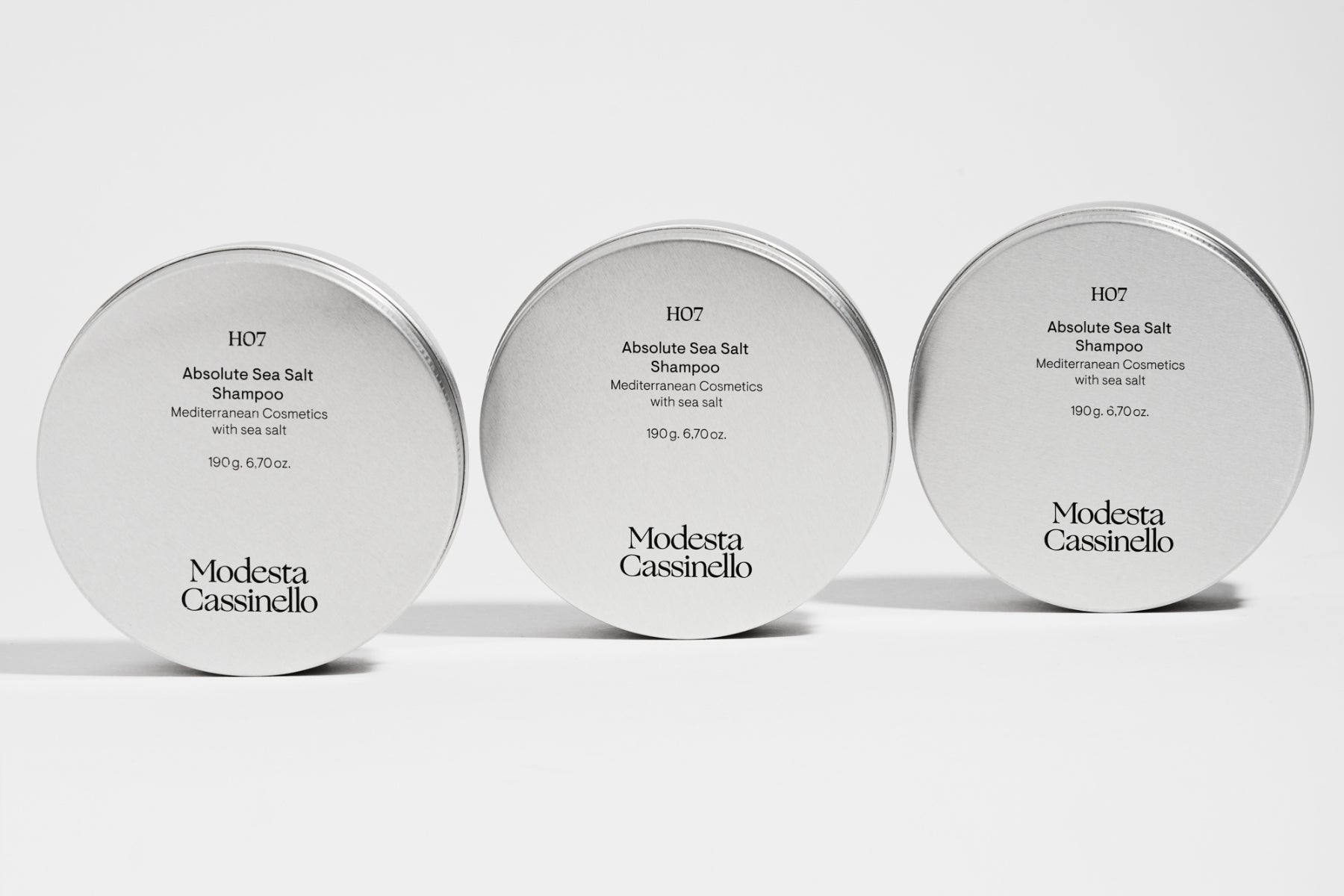
Our recommended product? H07 Sea Salt Shampoo. A gentle deep cleanse. Ideal for weekly use. It effectively removes impurities,
residue and excess oil without irritating.

Hydration and microbiome balance
- Use of conditioners or specific treatments.
- Application from the roots in cases of dryness or tightness.
Our recommended product? H04 Revitalizing Conditioner. It leaves the hair fibre soft and even after washing. It can be applied to the scalp and is ideal when it feels dry and tight.

How to apply hair products correctly to care for your scalp
The way we apply hair products directly influences how effective they are and the health of the scalp. Using them incorrectly can contribute to irritation, imbalances and unnecessary itching.
Recommendations for optimal application:
- Always emulsify the product in the palm of your hand before applying it. This helps the lather form and allows even distribution over the scalp, making it easier to rinse out completely and avoiding residues that could irritate or alter the pH.
- Apply with gentle, targeted, controlled movements. The massage should be deliberate and delicate, avoiding mechanical overstimulation or uneven friction that compromises the integrity of the scalp. The aim is to stimulate microcirculation, supporting oxygenation of the follicles and healthy hair growth, without causing inflammation or disrupting the pilosebaceous unit.
- Follow the golden rule of hair care: "less is more". Because of its anatomy, its occluded nature and its warm, humid microenvironment, the scalp is especially prone to imbalance if products are not applied correctly.
Conclusion: caring for your scalp means caring for the origin of your hair
Beautiful hair is not just a question of looks but a reflection of a healthy,
well-cared-for scalp. Seeing it as an extension of the skin that needs specialized
attention is fundamental.
It is not just about washing your hair but about actively caring for the foundation it
grows from. If it is nourished, protected and respected, the result will be hair with strength,
shine and lasting vitality.
Would you like a personalized routine for caring for your scalp?
Visit our website and discover how to transform your hair health from the roots.

Every article is backed by the expertise of Dr Modesta, pharmacist and founder, committed to excellence in hair care.
Leave a comment
This site is protected by hCaptcha and the hCaptcha Privacy Policy and Terms of Service apply.