

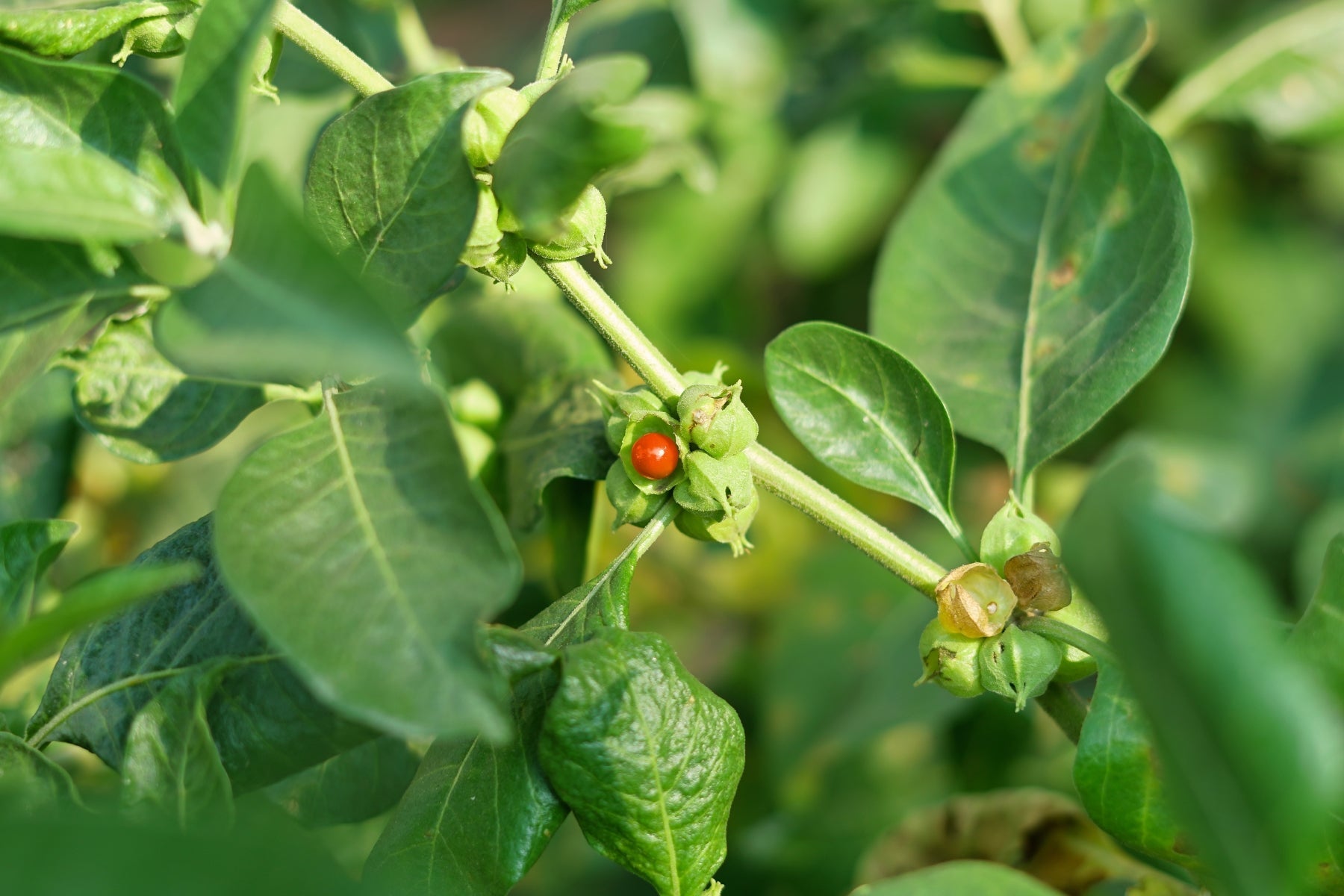
Ashwagandha (Sensoril) and stress-related hair loss: what the science says
Are you experiencing more hair loss than usual? Hair loss and deterioration are common and can be caused by stress, hormonal changes, nutritional deficiencies, or aging.
One of the key triggers in women is chronic stress. When we live under pressure, cortisol levels increase, which can disrupt the hair cycle and precipitate telogen effluvium (diffuse hair loss).
Among the science-backed options for supporting stress management, ashwagandha (Withania somnifera) stands out, especially when used as a standardized extract.
In this article, you will see how ashwagandha can help modulate the stress response and rest, why this approach is relevant during perimenopause and menopause, and we will answer the most frequently asked questions about its use in the context of hair.
In 10 seconds: Chronic stress raises cortisol and can precipitate telogen effluvium. Ashwagandha (in standardized extracts) has been studied for modulating stress and improving sleep/mood, factors that can indirectly impact the hair cycle.
What is ashwagandha and why is it relevant for hair?
Ashwagandha (Withania somnifera) is a plant with antioxidant activity and is considered an adaptogen. Adaptogens are used to support stress resilience, partly due to their relationship with the HPA axis (hypothalamic-pituitary-adrenal).
For hair, the goal is not to "treat" alopecia, but to reduce the impact of sustained stress (e.g., cortisol) on the follicle and improve variables such as sleep and mood, which can indirectly influence the hair cycle.
Stress, cortisol, and hair loss
- Telogen effluvium is associated with stress peaks and imbalances (hormonal, nutritional, or systemic) that push follicles into the resting (telogen) phase prematurely.
- Clinical reviews indicate that managing stress, improving rest, and correcting nutritional deficiencies can promote hair cycle recovery.

How can a standardized ashwagandha extract help?
When talking about ashwagandha in supplementation, a key point is that not all products are equivalent. They vary in the part of the plant used, the type of extract, standardization (e.g., the percentage of withanolides), dosage, and quality controls. This influences consistency and tolerability.
In the context of hair, its role is indirect:
- Stress/cortisol: trials in adults with chronic stress show improvements in stress scales and related variables after 8–12 weeks of consistent use (doses of 125–500 mg/day, depending on the study).
- Sleep and mood: better rest and improved mood promote consistent habits (routine, nutrition, self-care) and can help maintain the balance of the stress axis.
- Menopause: in some women, reducing hot flashes/sleep disturbances can positively impact quality of life, with potential indirect benefits for hair.
How does Hair Boost integrate this evidence in stress situations?

Hair Boost combines ashwagandha with structural actives, antioxidants, and hair metabolism cofactors to support hair health when stress and poor rest disrupt the hair cycle.
Key Actives and their Function
- Ashwagandha (Sensoril®): Hair Boost uses Sensoril® dry ashwagandha extract (root), standardized to 10% withanolides, at 100 mg/day. Its role in the formula is to support stress management and sleep (indirect impact on the hair cycle).
- Cynatine® (hydrolyzed keratin): peptides/amino acids related to hair fiber for structural support.
- AnaGain™ (pea extract): botanical extract of Pisum sativum, traditionally used in formulas for hair density/appearance.
- Bamboo extract (plant-based silicon): structural support for keratinized tissues.
- L-cystine and MSM: sulfur amino acid and sulfur donor involved in keratin synthesis.
- AstaReal® (astaxanthin): carotenoid with high antioxidant activity (oxidative stress).
- Vitamins C and E: antioxidants; vitamin C also contributes to normal collagen formation.
- Zinc and Selenium: minerals that contribute to hair maintenance and cell protection against oxidative stress.
- Copper: contributes to normal hair pigmentation.
- Vitamin B6: cofactor in protein and energy metabolism.
Ashwagandha and menopause: comfort, sleep, and hair
During perimenopause and menopause, many women notice their hair becoming thinner and experiencing more hair loss. This is influenced by reduced estrogen levels, potential androgenic imbalances, and stress leading to poorer sleep quality. You can learn more in this article: how menopause affects hair.
In postmenopausal women, a clinical study with over 100 participants on Sensoril® reported improvements in quality of life:
- −24% in vasomotor symptoms (hot flashes, night sweats).
- +6% in mood, anxiety, and concentration.
- +13–14% in energy, sleep, libido, and physical perception.
When comfort improves (hot flashes/awakenings), sleep continuity usually improves, and sleep is a relevant modulator of the stress axis, which is why this approach can indirectly support the hair cycle in some women.
By modulating stress and improving rest and comfort during menopause, ashwagandha can indirectly support the hair cycle and the maintenance of hair density and well-being. This approach complements healthy habits and, when appropriate, professional evaluation.

Support your hair when stress takes its toll
Hair Boost combines Sensoril® with AnaGain™, Cynatine®, Astareal® astaxanthin, zinc, selenium, vitamins C/E/B6, L-cystine, MSM and bamboo silicon to support hair health in stressful situations.
Supporting role: does not replace medical evaluation or specific treatments.
Buy Hair BoostLong-term safety and why quality matters
"Safety" in ashwagandha requires two ideas simultaneously: (1) clinical trials show good tolerability in healthy populations, and (2) there are reports of adverse effects with some supplements, partly due to product variability.
Clinical safety evidence (standardized root extracts):
A 12-month prospective study in healthy adults (N=191), published in Phytotherapy Research (October 2025), evaluated the clinical and analytical safety of a standardized root extract (including hepatic and renal parameters, as well as thyroid and other hormonal variables) and concluded good general tolerability with no clinically relevant findings in the main safety markers.
Important: This study used a specific standardized root extract (e.g., KSM-66) and should be interpreted as solid evidence for well-characterized root extracts, not as an automatic equivalence between all products on the market.
Why there is controversy:
Although ashwagandha generally shows good tolerability in clinical trials, rare cases of liver injury associated with supplements marketed as ashwagandha have been reported. Clinical resources like LiverTox (NIH) note this signal and emphasize that, in the real world, variability between products (extract type, plant part, dosage, controls) and, at times, multi-ingredient formulas can make interpretation difficult.
Additionally, some European authorities have recommended caution in specific groups—especially pregnancy and lactation—due to limited safety evidence in these populations and available reports.
Our message: Safety depends on both the ingredient and the final product. That is why at Modesta Cassinello, we work with qualified suppliers and use standardized ingredients, with batch traceability and analytical controls to ensure consistency and confidence in use.
Frequently asked questions
Is ashwagandha safe? In healthy adults, standardized root extracts generally show good tolerability in clinical trials, even with prolonged follow-up. However, safety depends on the individual profile and the quality of the supplement. Avoid it if you have liver disease and consult during pregnancy/lactation or if you are being monitored for thyroid issues or taking medication with potential interactions. (For details, see the section "Long-term safety and why quality matters").
Does ashwagandha "stop" hair loss?
Ashwagandha is not a direct treatment for hair loss. Where it can add value is in managing chronic stress (e.g., in regulating the stress/cortisol axis) and in sleep, factors related to telogen effluvium in susceptible individuals. It does not replace medical treatments for androgenetic alopecia, alopecia areata, or other specific causes of hair loss.
When will I see results?
In studies focused on stress/sleep, changes are usually observed after 8–12 weeks of consistent use. In hair, the response is usually slower due to the latency of the follicular cycle: visible changes may require several months, even when the trigger (e.g., sustained stress) is already better controlled.
Can it be combined with other hair actives?
In general, yes. Ashwagandha is used as "contextual" support (stress/sleep) and can be integrated with more direct approaches for hair (nutritional and/or topical), as long as the plan is consistent with the cause of hair loss. If there is a diagnosed pathology, medication, or persistent symptoms, a professional evaluation is advisable to prioritize what to intervene and in what order.
Who should consult before taking ashwagandha?
As a precaution: pregnant and breastfeeding women, minors, people with liver disease, and those being monitored for thyroid issues or taking medication with potential interactions (e.g., sedatives/anxiolytics). In these cases, individual assessment is recommended.
Conclusion: adaptogenic nutrition as support for hair well-being
If you are experiencing stress or hormonal changes (e.g., perimenopause/menopause), Sensoril® ashwagandha can support stress management and rest, factors that indirectly influence the hair cycle. This approach complements healthy habits and, when appropriate, professional evaluation.
This article summarizes the available evidence on ashwagandha for stress/sleep/mood and its potential indirect impact on the hair cycle. It does not constitute medical advice or replace professional evaluation. In cases of intense, persistent hair loss or hair loss associated with symptoms (e.g., anemia, thyroid disorders, weight loss, inflammatory flare-ups, etc.), it is advisable to rule out causes and adjust the approach.

Leave a comment
This site is protected by hCaptcha and the hCaptcha Privacy Policy and Terms of Service apply.