

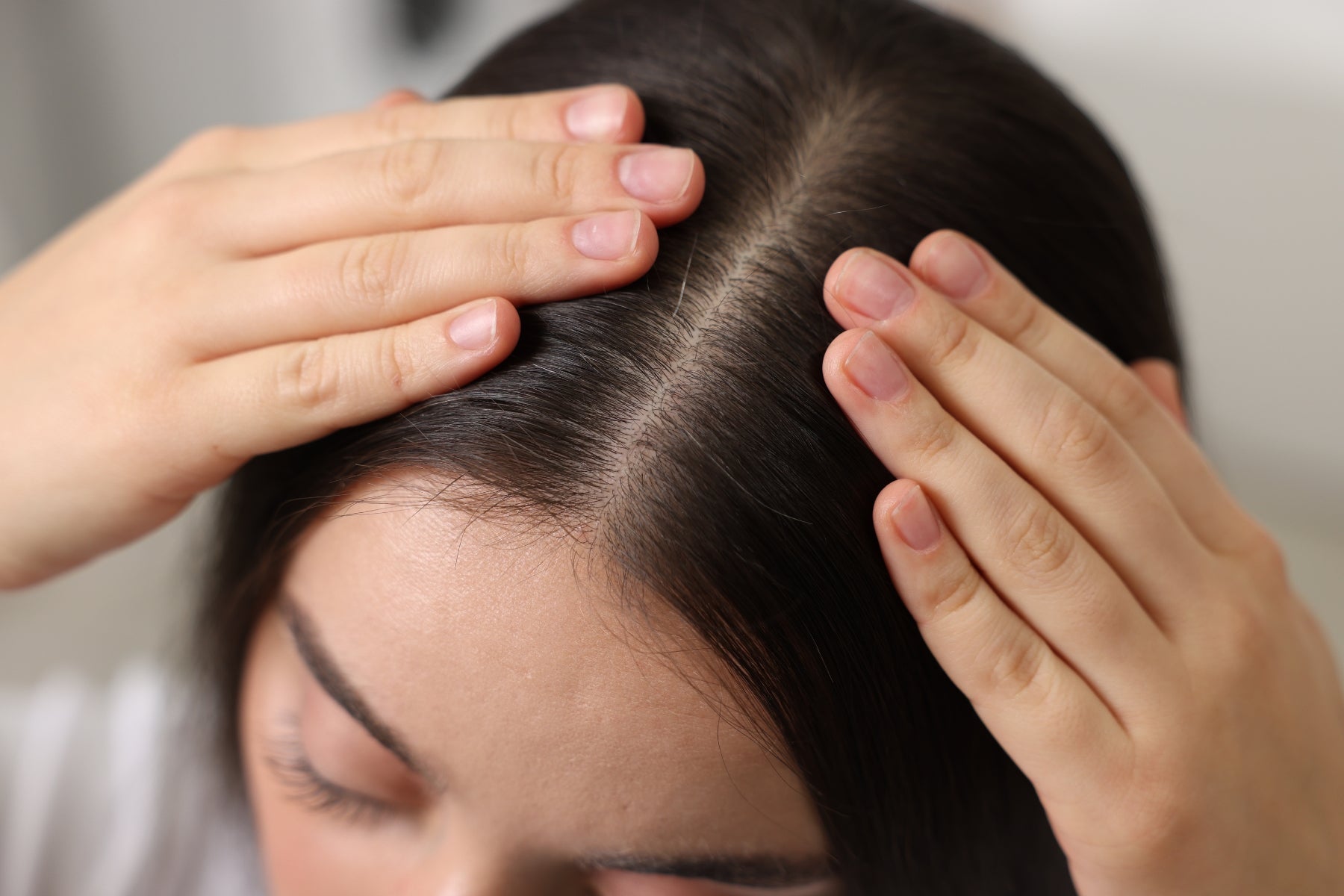
What is the scalp microbiota and why is it key to healthy hair?
Have you ever wondered why, despite taking care of your hair with good products, you still experience itching, oiliness, or flaking?
You might be overlooking a major player in scalp balance and, consequently, hair quality: the microbiota.
Similar to the skin microbiome on the face or body, the scalp also hosts a microscopic community: bacteria, fungi, yeasts, and even mites in the follicular pore, which influences its balance, defense, and well-being. But, unlike other areas, this skin is exposed to multiple stresses: frequent washing, chemical treatments, heat, sun, pollution..., and, in addition, it has a high density of follicles and sebaceous glands associated with each follicle, which makes it especially sensitive to imbalances.
Microbiome or microbiota? Are they the same?
Although often used interchangeably, there is a difference:
- The microbiota is the set of living microorganisms, bacteria, fungi, viruses, and other microorganisms that inhabit every corner of our body. Although they are concentrated in larger quantities in the digestive tract, the scalp harbors 24% of the skin microbiota. Today, specialists consider it another organ for performing essential functions, from food digestion to immune system modulation.
- The microbiome includes that microbiota, but also its genetic information and the environment that conditions it.
In this article, we will mainly discuss the scalp microbiota, as it is the one that directly interacts with our skin and conditions the environment in which hair grows.
What is the scalp microbiota and why does it matter?
The scalp is not just the base from which hair grows: it is an active and biologically complex area. Its condition directly influences hair growth, quality, and strength.
This living and dynamic ecosystem fulfills essential functions: it protects against external agents, regulates inflammation, maintains the integrity of the skin barrier, and promotes the optimal environment for the hair follicle to produce healthy, strong, and shiny hair.

How does the microbiota act on the scalp?
The scalp microbiota is made up of billions of bacteria, fungi, and other microorganisms that live on the skin's surface, in symbiosis with the body. Far from being a threat, this community is essential for maintaining skin balance.
The scalp, being an area rich in sebum and with a higher density of follicles than any other area of the body, provides a specific environment: warm, humid, and oily. This creates ideal conditions for a balanced microbiota, but also makes it more vulnerable to imbalances due to any external factor.
When the microbiota is in balance, the skin of the scalp is more functional, maintains its pH, and microorganisms like Malassezia or Staphylococcus aureus modulate the inflammatory response.
How does the microbiota influence hair health?
The impact of the microbiota not only affects the scalp: it has a direct impact on hair quality and growth. A healthy microbial balance:
- Protects the hair follicle from inflammatory processes that could weaken growth.
- Contributes to natural hydration, preventing dryness and tightness.
- Regulates sebum, preventing both excess oil and flaking.
- Helps maintain a healthy environment around the hair follicle, which promotes its activity and hair renewal.
When the microbiota is altered, the scalp becomes unbalanced and visible signs such as flaking, excess oil, hair loss or inflammation may appear, and in the long term, weaker hair lacking vitality.
Factors that alter the balance of the hair microbiota
The balance of the microbiota is fragile and can be affected by numerous factors, both external and internal:
- Overly aggressive or frequent cleansing, which strips away natural lipids and beneficial microorganisms.
- Dyes, bleaching, straightening, and other chemical treatments, which alter the pH and compromise the skin barrier.
- Environmental pollution and direct solar radiation (especially on fine or sparse hair) by inducing oxidative stress.
- Covering the head for a long time (using helmets, caps, hats, hijabs...), especially in hot weather, creating warm and humid environments that favor opportunistic microorganisms.
-
Stress, hormonal changes, or poor or unbalanced diet, which modify sebum and affect the microbiota.
All these elements can trigger subclinical inflammatory processes: dryness, sensitivity, or even progressive hair loss.
How to care for the microbiota with your hair routine?
To maintain a balanced microbiota, it is key to adopt a respectful and consistent hair routine. Some recommended practices:
- Opt for shampoos with high dermal tolerance formulas where the base of the formula is as carefully selected as the incorporated active ingredients.
- Avoid washing your hair daily, and if you do, be sure to use a shampoo that allows for this frequency. Also, use it correctly and always finish with conditioner.
- Do not overload the scalp or hair with products, especially those that accumulate at the roots (dry shampoos, dense sprays, waxes). If you need to use them, do so without fear, you just need to remove them properly afterwards, and a deep and respectful cleansing of the scalp and hair is highly recommended.
- Maintain a balanced hygiene, neither excessive nor insufficient. We seek a balanced scalp.
- Gently massage the scalp to activate microcirculation and oxygenate the follicle. But not just any massage, do it with gentle and well-directed movements.
- Protect your scalp from the sun, especially if you have fine hair or more exposed areas. Always opt for physical protection: caps, hats..., and antioxidant protection.
Ingredients that respect and strengthen the microbiota
Hair cosmetics have evolved towards more advanced, intelligent formulas that not only respect but also strengthen the natural microbiota of the scalp. Some allied ingredients:
- Prebiotics: such as inulin or oligosaccharides, which feed good bacteria and promote balance.
- Postbiotics: bioactive derivatives of fermentations that improve the skin's immune response. You can find postbiotic active ingredients in our H04 Conditioner.

- Soothing plant extracts, such as colloidal oatmeal, calendula, or aloe vera.
- Essential oils like tea tree or mint, used in low concentrations, have been shown to have purifying and calming effects on the scalp, helping to maintain microbial balance without irritating the skin.
- Formulas with physiological pH (between 4.5 and 5.5), which respect the natural acidity of the skin and improve the protection of the hair fiber.
At Modesta Cassinello, we prioritize skin-friendly formulas, without aggressive ingredients, and with botanical active ingredients designed to respect the skin microbiota.
Can an altered microbiota be repaired?
Yes. The scalp microbiota is dynamic and adaptable, and with proper care, it can be restored.
To promote its recovery:
- Avoid aggressive practices or products that unbalance it.
- Integrate a routine of gentle formulas rich in active ingredients that do not alter its pH or strip its lipid mantle, supporting the barrier function.
-
Be consistent: the skin needs time to restore its balance and recover its protective capacity.
The progressive improvement will be noticeable not only in the comfort and well-being of the scalp but also in the texture, density, and quality of the hair.
Ready to care for your hair microbiota?
The microbiota is a key ally in scalp well-being and in the environment where your hair grows. Caring for it means caring for your hair from its deepest origin.
Start by reviewing your routine, choosing respectful formulas, and giving your scalp the prominence it deserves.
At Modesta Cassinello, we create products designed to reinforce the natural balance of the scalp without harming it.
Discover more at modestacassinello.com and take the step towards hair that feels as healthy as it looks.

Each article is backed by the expertise of our founder and CEO Dr. Modesta Cassinello, Doctor of Pharmacy and Diploma in Nutrition, committed to excellence in skin and hair care.
Leave a comment
This site is protected by hCaptcha and the hCaptcha Privacy Policy and Terms of Service apply.