

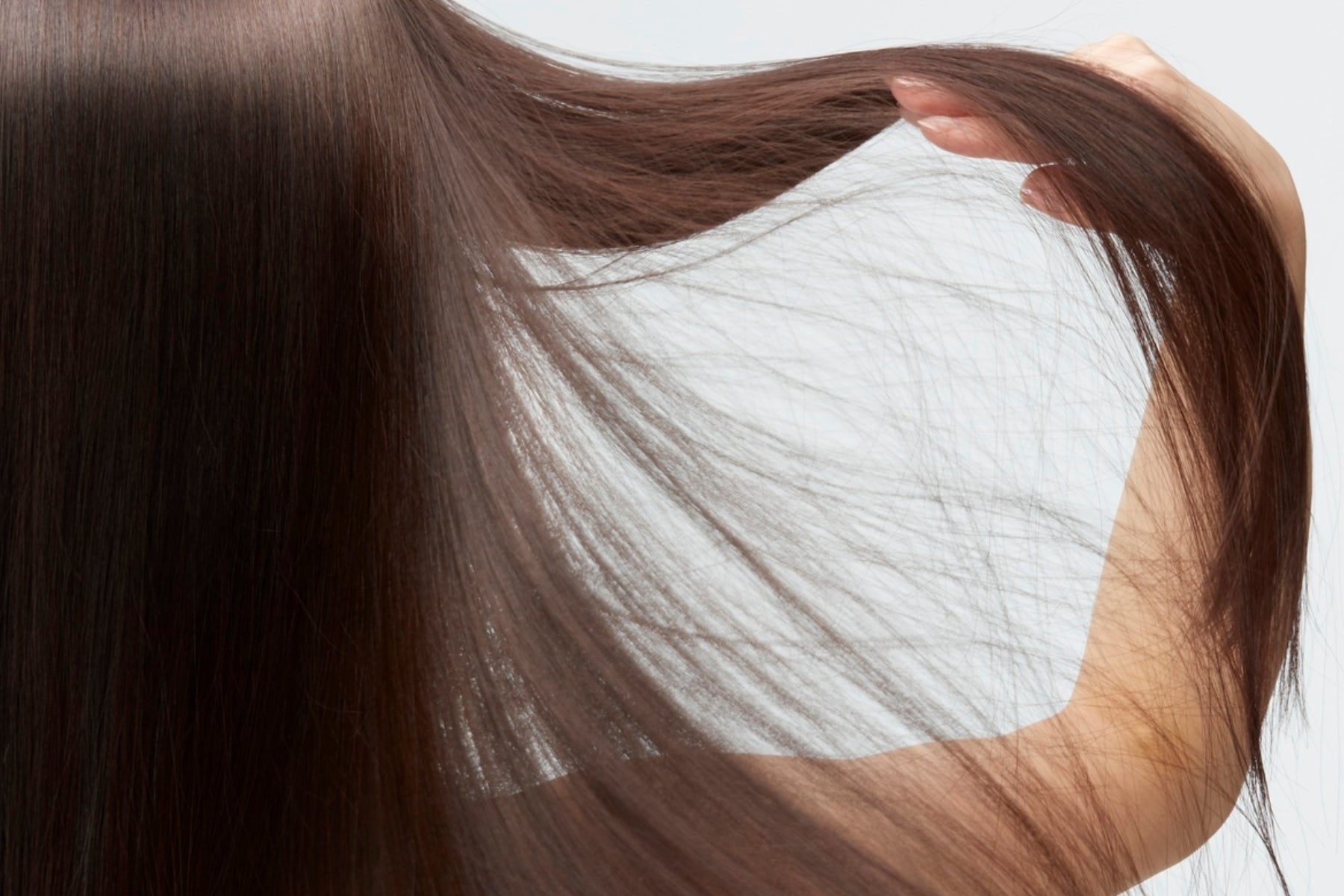
Fine hair without volume: how to care for it and what products to use
Fine hair that lacks volume is one of the hair types that raises the most questions and concerns. Its natural fragility, or the progressive thinning that can happen over time, can sometimes make achieving body and movement seem like a challenge. However, with a personalized care ritual and the right products, you can reach your goals and enjoy hair with volume and vitality.
In this complete guide, we explain exactly what fine hair is, why it can lose volume, how genetics and hormones influence it, and which routine and products are best for keeping it healthy and fuller.
What fine hair is like and why it tends to lose volume
Fine hair without volume can have two main origins: genetic or acquired. Knowing the difference is essential to treating it correctly.
Genetically fine hair
Some people have fine hair for purely genetic reasons: they were born with that type of hair.
- Each hair fibre has a smaller diameter right from the root.
- The hair shaft has fewer cuticle layers (4–6 layers), compared with thick hair, which can have up to 8–10 layers.
- This means:
- Greater fragility, due to less structural protection.
- Less resistance to heat, chemical or mechanical damage.
- A tendency to lose volume, get weighed down easily and feel dirty sooner.
It is important to remember that having fine hair does not necessarily mean having little hair; rather, each hair is thinner, which gives the visual impression of less density and volume.
Fine hair due to hormonal or medical causes: androgenetic alopecia
Not all fine hair is genetic, present from birth. It can develop or worsen over the course of your life, especially due to hormonal factors. One of the most common causes is androgenetic alopecia (AGA), which affects both men and women:
- In AGA there is a genetic predisposition that makes certain hair follicles more sensitive to hormones such as testosterone (T) and, above all, its derivative dihydrotestosterone (DHT).
- The inherited presence of these hormone receptors in the follicles means that even normal levels of T and DHT:
- Alter how the hair follicle works, affecting the way the hair develops.
- Shorten the anagen phase, that is, the active growth phase of the hair.
- Cause progressive miniaturization of the follicle, so that each new cycle produces hairs that are finer, shorter and less pigmented.
- In addition, the hormonal impact can increase sebum production, making the hair oilier, which adds to the feeling of lack of volume.
- Although there are still hair-producing cells inside the follicle, these cells become smaller and smaller and cannot fill with enough keratin to form thick, robust hairs. This explains why the hair becomes finer and weaker over time.
- Over time, this leads to:
- A visible decrease in hair density.
- Loss of volume, especially in areas such as the centre parting, the crown or, in women, the front of the head.
In women, androgenetic alopecia usually shows up as a gradual widening of the parting or a diffuse decrease in density, without the marked baldness typically seen in men. It is important to remember that with this type of alopecia there is not always obvious hair loss, but rather a gradual feeling of having less volume and that the hair is becoming finer and finer, the result of follicle miniaturization and the reduced diameter of each strand.
How diet influences hair thickness
Although genetics are key, nutrition influences the thickness and quality of your hair:
A poor diet does not radically change the genetically determined diameter of each strand, but it can:
- Cause progressive weakening and thinning of the hair shaft.
- Reduce keratin production.
- Increase the risk of diffuse shedding (telogen effluvium).
The most relevant deficiencies:
- Proteins: essential for keratin synthesis.
- Minerals such as iron, zinc, copper and selenium: key to follicle health.
- B vitamins: essential for the hair cycle.
- Essential fatty acids (omega-3 and omega-6) modulate inflammation and maintain skin integrity.
-
Antioxidants: vitamins A, C and E or extracts such as astaxanthin that protect the follicle from oxidative stress.
Recent studies confirm that sustained deficiencies can reduce the diameter of the hair shaft, resulting in finer, more fragile hair.

The impact of the environment on fine hair
In addition, fine hair can show the cumulative effects of the environment more markedly, such as UV radiation, air pollution or humidity, which not only alter colour and shine but can also compromise its strength, elasticity and texture.
Continuous exposure to environmental agents causes both structural damage (fragmentation of the cuticle, loss of protective proteins and lipids) and optical damage, making the hair look duller, more fragile and lifeless. That is why protecting fine hair from the environment is key to maintaining its health and volume in the long term.
Keys to adding volume without damaging the hair fibre
If you have fine hair that lacks volume, the strategy is to boost body and texture without overloading or damaging the hair fibre. The latest professional recommendations include:
A specific shampoo for fine hair without volume
- It is important not to use products that leave a greasy residue; choose gentle, light formulas free from heavy ingredients that will not leave residue or weigh fine hair down.
- Look for shampoos with delicate cleansers that respect the scalp's natural proteins and lipids, for an effective cleanse and a pleasant lather while maintaining hydration and avoiding possible irritation during washing. What's more, many of these modern surfactants are biodegradable, which reduces their environmental impact.
- It is advisable to choose formulas that include functional ingredients able to protect the balance of the scalp and preserve the integrity of the hair fibre, providing lightness, body and softness without overloading the hair.
Light conditioners or suitable masks
- Apply them only to mid-lengths and ends. If your hair is very fine, try using them as a pre-shampoo treatment before washing and/or using a leave-in conditioning spray after towel-drying.
- Avoid formulas that are too rich and could weigh hair down.
- Avoid heavy products.
- Limit waxes, dense oils and heavy creams.
Strategic drying techniques
Dry your hair upside down to lift the roots and use moderate temperatures to avoid damaging the cuticle.
Hairstyles with volume
A side parting, soft waves or light backcombing techniques can create the illusion of more body. A layered cut can reduce the weight of the hair and give it volume and shape. For the same reason, fine hair is best not worn very long; a shoulder-length cut is recommended.
Today, the future of hair care is not defined by looks alone: it is being reinvented around follicle health, fibre strength and long-term hair well-being. Modesta Cassinello
For more recommendations, you can also read the post: How to increase hair volume
Recommended products for fine hair without volume
To care for fine hair that lacks volume, it is key to choose products designed to provide lightness and volume. The Modesta Cassinello line offers specific options for this hair type:
Recommended shampoos
H01 Frequent Use Shampoo
- Cleanses gently without leaving heavy residue.
- Perfect for frequent washing of fine hair.
- Its sea salt content helps to texturize the fibre, adding body and a feeling of greater volume.
- Ideal if you are looking for a deep cleanse and a look with movement and volume.
Conditioners and masks
H04 Revitalizing Conditioner with hydrolysed proteins
- Provides light hydration and hydrolysed plant proteins that strengthen the fibre without weighing it down.
- It does not reduce volume or make hair greasy sooner.
H08 Leave-in Conditioning Spray
- Extra softness, shine and antioxidant protection for your hair; it does not make hair dirty, greasy or heavy.
H09 Nourishing Mask
- Although it is a mask, its light formula is designed for fine hair that loses volume.
- Perfect for repairing hair and keeping it full-bodied without weight.
- It can be used as a styling cream on the driest, most damaged areas once the hair has been washed and towel-dried.

Hair care routine for fine hair: step by step
Here is a professional routine for caring for fine hair that lacks volume, using Modesta Cassinello's specific products for stronger, lighter hair with movement.
1. Shampoo
For frequent washing, use H01 Frequent Use Shampoo, formulated to cleanse gently without weighing hair down, so it keeps its natural volume. You can use it whenever you need to.
2. Conditioner or mask
For light everyday hydration, apply H04 Revitalizing Conditioner to mid-lengths and ends only. Its light texture is perfect for fine hair.
If you notice your hair has lost softness and frizzes easily, add H09 Nourishing Mask once a week. Its light formula provides nourishment and repair without adding weight.
3. Antioxidant protection
Include H08 Leave-in Conditioning Spray in your routine after washing and towel-drying your hair. It provides extra softness, shine and antioxidant protection, ideal for preserving the health of fine hair against external aggressors.
4. Drying
Dry your hair with your head upside down or by lifting sections with a brush to boost volume. Avoid very high temperatures to protect the hair fibre.
5. Weekly maintenance
If your scalp tends to be oily or you want extra volume and texture, replace one of your washes with H07 Sea Salt Shampoo. It will help you achieve more body and a textured finish.
Consider using densifying treatments if you notice a progressive loss of volume or hair density.
Keys to caring for fine hair without volume
Fine hair without volume needs specific care and products formulated to add body and texture without overloading the fibre. Genetic, hormonal and nutritional factors play a decisive role in its health and appearance. Choosing professional products, tailored routines and a good diet is key to keeping your hair full of volume, movement and healthy-looking.
Frequently asked questions about caring for fine hair without volume
Does having fine hair mean having less hair?
Not necessarily. You can have a lot of hair, but each strand is thinner, giving the impression of less volume.
Does having fewer cuticle layers make hair more fragile?
Yes. Fine hair has fewer cuticle layers, which makes it more vulnerable to physical, chemical and heat damage.
Can a poor diet make hair finer?
Yes. Sustained nutritional deficiencies can cause progressive thinning of the hair shaft, although they do not change your genetics.
Can the menopause make hair finer?
Yes. The drop in oestrogen and the relative predominance of androgens after the menopause can accelerate hair thinning and loss of volume.
Which shampoo is best for fine hair without volume?
Ideally, choose light-textured shampoos that cleanse without weighing hair down, with ingredients that respect the hair fibre and add body without leaving residue.
How often should I wash fine hair?
Fine hair tends to get greasy more easily, so it can be washed more often, as long as you use gentle, balanced formulas.
Can I use conditioner if I have fine hair?
Yes, conditioner is necessary to maintain hydration. The important thing is to apply it only to mid-lengths and ends and to choose a formula that does not add weight.
Can fine hair take hair masks?
Yes, but occasionally and with products designed for fine hair, such as H09 Nourishing Mask, made for fine hair that loses volume. Apply in moderation and always avoid the roots.
What other everyday habits help improve volume?
Avoiding excessive heat, not applying rich products at the roots and drying your hair upside down are small habits that help add volume naturally.

Every article is backed by the expertise of our founder and CEO Dr Modesta Cassinello, Doctor of Pharmacy with a Diploma in Nutrition, committed to excellence in skin and hair care.
Leave a comment
This site is protected by hCaptcha and the hCaptcha Privacy Policy and Terms of Service apply.